Many home projects and repairs involve working above ground level. Replacing roof sheets, repairing gutters, painting exterior walls, building a verandah or alfresco area, and maintaining existing structures can all place people at risk of a fall.
The danger does not depend only on how high the work appears. Access, roof pitch, surface condition, weather, the tools being used, and the area below can all affect the risk.
Good planning helps reduce these risks. Whether you are working on a professional project or improving your own property, identify the hazards before anyone leaves the ground.
Why Working at Height Needs Careful Planning
Height safety should be considered before anyone climbs a ladder, steps onto a roof or begins work from an elevated platform.
Home projects that may involve work at height include:
- repairing, replacing or cleaning house roofing
- installing or repairing gutters and downpipes
- building or maintaining verandahs and alfresco areas
- fixing roof sheets, flashing, battens or fascia
- painting or repairing exterior walls
- installing windows, cladding, lighting or outdoor fixtures
- pruning trees near a house or structure
- inspecting storm damage.
The risks can change as a project progresses. A verandah or alfresco roof may have open edges during construction. An existing house roof may have brittle sheets, skylights, loose tiles or sections that cannot safely support a person’s weight.
Before work begins, consider:
- Which tasks need to be completed above ground?
- Can any preparation or assembly be completed at ground level?
- How will workers safely reach and leave each work position?
- Is a ladder suitable for the task and its duration?
- Would scaffolding, edge protection or an elevating work platform be safer?
- Is the roof or structure strong enough to support the people and equipment involved?
- Could tools or materials fall onto someone below?
- What happens if weather conditions change?
Answering these questions early reduces the chance of unsafe improvisation later.
Assess the Site Before Work Begins
A height-safety assessment should cover the structure, the access route and the area below.
Uneven soil, garden beds, paving, steps and loose materials can affect the stability of ladders, scaffolding and other equipment. Extension leads, tools and building materials across access routes can also create trip hazards.
Look above and around the work area. Powerlines, trees, neighbouring structures, awnings and limited side access may affect how equipment and materials can be moved.
Identify Where Falls Could Occur
Consider every location where a person could fall from one level to another. Common hazards around homes include:
- ladders and temporary work platforms
- unprotected roof and verandah edges
- brittle or weathered roof materials
- skylights and translucent roof sheets
- incomplete framing
- changes in ground level
- wet, dusty or moss-covered surfaces
- steep or uneven roof pitches
- materials that may shift underfoot.
A fall from a relatively modest height can still cause a serious injury. Once hazards have been identified, decide how each one will be eliminated or controlled before work starts.
Plan Safe Access to the Work Area
Workers need an appropriate way to reach the work position and return to ground level. The right solution depends on the height, task, duration, roof type and site conditions.
Complete measurements, cutting and assembly at ground level where reasonably practicable. This can reduce both the time spent at height and the number of tools and materials that need to be carried up.
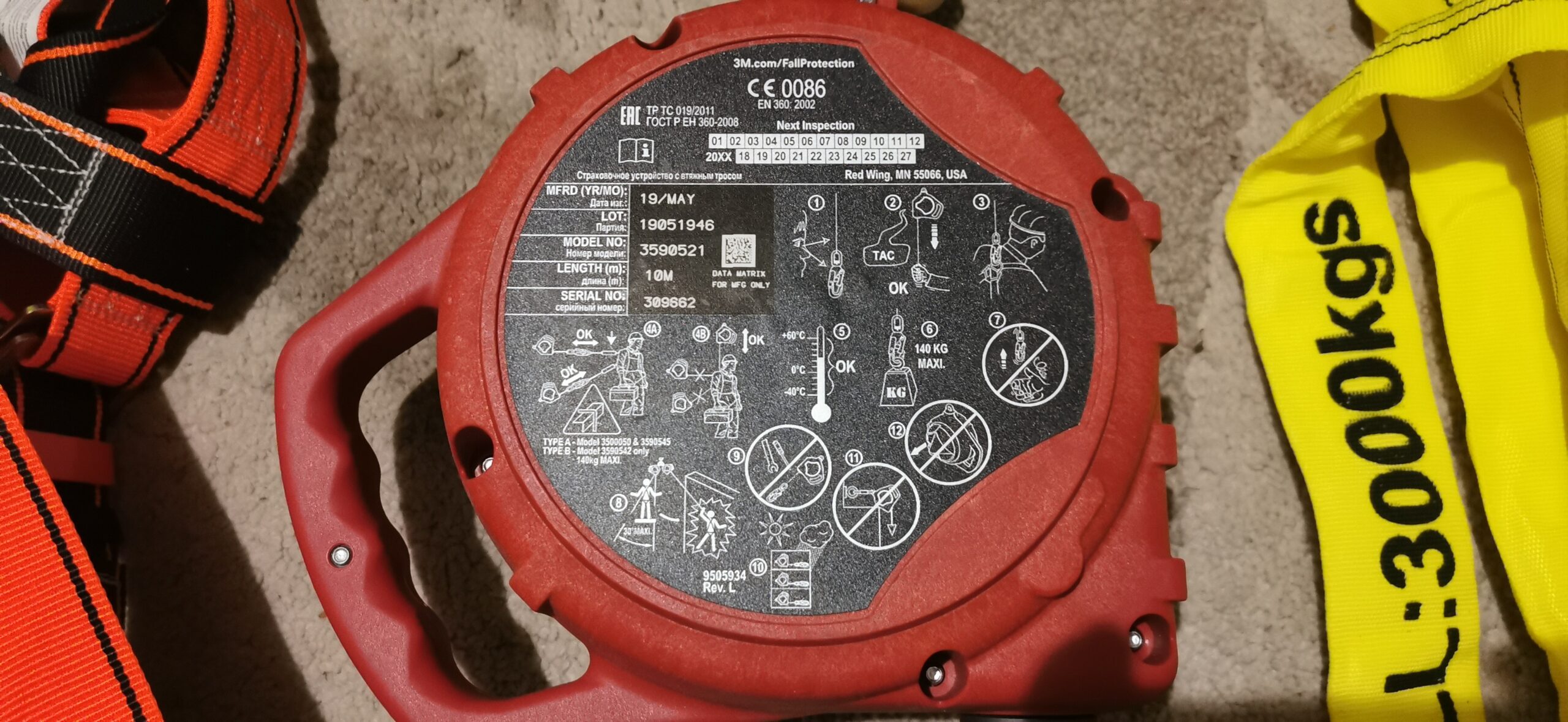
Suitable access may include scaffolding, a properly designed work platform, an elevating work platform or another system selected for the job. For specialised work where rope-based access is appropriate, purpose-designed rope access equipment should be selected and used by people with the required training and competency.
Ladders may be suitable for access and some short-duration work. They should provide a stable position without requiring a person to overreach, balance awkwardly or apply substantial sideways force.
Use Ladders for Suitable Tasks
Ladders are common in home repairs, which can make their risks easy to underestimate.
Choose a ladder suited to the task and inspect it for obvious damage or defects before use. Follow the manufacturer’s instructions for its setup and operation.
Place it on a firm, stable surface. Do not gain extra height by standing it on boxes, blocks, loose materials or other unstable objects. Make sure the feet have secure contact with the surface and any locking mechanisms are correctly engaged.
The ladder must also be tall enough for the job. A ladder that is too short encourages overreaching and unsafe positioning. Maintain secure contact while climbing and avoid carrying bulky tools or materials in a way that prevents safe use.
Tasks involving heavy tools, repeated sideways movement, significant force or extended work may require a more stable platform.
Manage Roofing Work Carefully
House roofing brings several hazards together: sloped surfaces, exposed edges, changing weather, fragile materials and limited access.
Do not assume an existing roof is safe to walk on. Age, corrosion, water damage and previous repairs may have weakened sheets, tiles, battens or supporting structures. Skylights and translucent sheets may be difficult to distinguish from surrounding roofing and may not support a person’s weight.
Before beginning roof repairs or maintenance, identify:
- how the roof will be accessed
- whether its condition and load capacity have been assessed
- where edges, openings and fragile sections are located
- what fall-prevention measures are required
- how tools and replacement materials will be raised and secured
- how the area below will be kept clear.
Roof work should be left to a competent professional when the condition of the structure is uncertain or safe access and fall protection cannot be provided.
Verandah and Alfresco Construction
Building or repairing a verandah or alfresco area may involve installing beams, rafters, battens, roofing, gutters and lighting above ground level. Long framing members and roof sheets can also be awkward to lift and position.
Plan the installation sequence before materials are raised. Consider how each component will reach its final position, how it will be supported and where workers will stand while fixing it.
Incomplete framing should not be treated as a ladder or walkway. Some members may not yet be fully fixed, braced or ready to carry additional loads. Suitable access equipment gives workers a more stable position and reduces the temptation to climb across the structure.
Control Tools and Materials at Height
A drill, hand tool, fixing, roof tile or sheet material can seriously injure someone below.
Plan how tools and materials will be moved to the work area. Avoid carrying more than can be safely controlled while climbing, and keep elevated work areas free from loose or unnecessary items.
Keep other people away from overhead work. Where appropriate, establish a controlled or exclusion area below. Family members, visitors and pets should not be able to enter it.
Roofing sheets need particular care. Large, lightweight sheets can catch the wind and become difficult to control. Wind can place the worker, the sheet and people below at risk.
Check Weather and Surface Conditions
Outdoor work can become unsafe quickly when conditions change.
| Condition | Potential problem |
| Rain or dew | Roofing, ladders and platforms may become slippery |
| Strong wind | Roof sheets, tools and materials may become difficult to control |
| Extreme heat | Hot roofing, fatigue and reduced concentration can affect safety |
| Poor light | Edges, footing and surface hazards become harder to see |
| Dust, moss or debris | Footing can become less secure |
Check conditions before elevated work begins and continue monitoring them throughout the job. Stop and reassess if the planned system is no longer safe.
Keep the Ground-Level Area Safe
Height safety starts at ground level. Access equipment needs a suitable supporting surface, and workers need clear paths for moving equipment and materials.
Keep offcuts, packaging, extension leads, tools and unused materials away from access areas. Protect doors, paths and other places where people might unknowingly walk beneath the work.
Good housekeeping also makes hazards easier to identify and helps workers move safely around the site.
Use Fall Prevention Measures Where Required
Australian work health and safety guidance follows a risk-management approach. Where reasonably practicable, first consider whether the need to work at height can be eliminated. This may include preparing components at ground level or using equipment that allows a task to be completed from below.
When elevated work cannot be avoided, appropriate controls may include scaffolding, edge protection, elevating work platforms or other fall-prevention systems. The right control depends on the task and site.
Under Australia’s model WHS framework, construction work involving a risk of a person falling more than two metres is classified as high-risk construction work and requires a Safe Work Method Statement.
WHS laws and their application differ between Australian states and territories, so check the requirements of the relevant local regulator.
Know When to Call a Professional
Roof repairs, work near fragile surfaces, difficult access and jobs requiring specialised fall-protection systems may be beyond the equipment and experience of a homeowner.
Professional help may be appropriate when:
- the roof condition or structural capacity is uncertain
- the work is near powerlines
- access requires scaffolding, an elevating work platform or a specialised system
- the task involves large or awkward roofing materials
- suitable edge protection cannot be installed
- the person doing the work lacks the required training or competency.
A professional can plan safe access and the order of work before the project begins, instead of trying to solve these issues once someone is already at height.
Working-at-Height Safety Checklist
Before elevated work begins, check:
- Has the site, structure and access route been inspected?
- Can more of the work be completed at ground level?
- Is there a safe way to reach and leave the work area?
- Is the selected access equipment suitable for the task?
- Have ladders, platforms and other equipment been inspected?
- Is the supporting ground firm and stable?
- Have roof edges, openings and fragile surfaces been identified?
- Are tools and materials controlled?
- Is the area below protected from falling objects?
- Are current and forecast conditions suitable?
- Are fall-prevention measures required?
- Are the people performing the work trained and competent?
- Have applicable WHS requirements been checked?
Plan the Work Before Leaving the Ground
Working at height may be only one part of a home project, but it can create some of its most serious hazards.
Plan access before the job starts. Complete as much preparation as reasonably practicable at ground level, choose equipment suited to the task, control tools and materials, and monitor the structure and weather throughout the work.
If the job cannot be completed safely with the skills, equipment and access available, bring in a qualified professional.