
Melbourne’s climate does not do anything by halves. Summers bring stretches of relentless heat, winters bring cold snaps and biting winds, and often both extremes show up in the same week. For homeowners watching their energy bills climb every quarter, one of the most overlooked culprits is sitting in plain sight: the windows.
Why Windows Are Where Energy Efficiency Goes to Die
Standard glazing is a poor insulator. Even double glazed windows lose and gain heat far more readily than an insulated wall, which means during a Melbourne heatwave, a huge amount of the heat pushing your air conditioner into overdrive is coming straight through the glass. In winter, the same windows are bleeding warmth back out, forcing your heating system to work overtime just to maintain a comfortable temperature.
The Australian Government’s own guide to sustainable housing, Your Home, identifies windows as one of the largest sources of unwanted heat gain and loss in a typical Australian house, and recommends external shading as one of the most effective ways to manage it.
How Roller Shutters Change the Equation
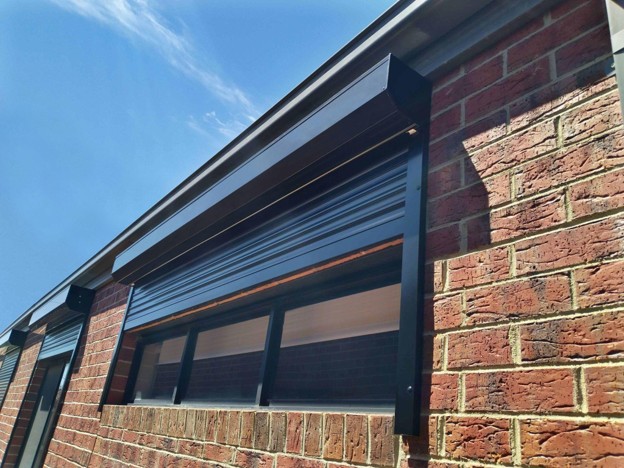
Roller shutters add an external barrier that sits outside the glass itself, creating an insulating air gap between the shutter and the window. When closed during the hottest part of the day, that barrier blocks direct solar radiation before it ever reaches the glass, meaning your home stays noticeably cooler without the air conditioner working as hard. In winter, the same principle works in reverse: closing shutters overnight helps retain the heat your heating system has already generated, rather than letting it escape through cold glass.
This is not a marginal effect. Homeowners who use their shutters consistently, closing them during peak sun exposure in summer and overnight in winter, often notice a real difference in how much their heating and cooling systems need to run, which shows up directly in energy consumption.
Not All Shutters Perform the Same Way
How well a shutter insulates your home depends largely on its materials, construction and fit. Poor insulation or gaps around the edges allow heat to transfer more easily, limiting the thermal benefit. This is where product quality matters. Shutters designed for thermal performance, with quality materials and tight-fitting tracks, provide a much stronger barrier than basic products designed mainly for shade and sun protection.
A thermally engineered roller shutter range, designed and manufactured locally, is built with this in mind. Because the products are designed locally rather than imported off a generic catalogue, they are built to handle the specific temperature swings Victorian homes experience across the year.
How This Compares to Other Efficiency Upgrades
Homeowners looking to cut energy costs often default to upgrading appliances or adding insulation to walls and ceilings. Those measures matter, but they can overlook the fact that glazing is frequently the single biggest source of unwanted heat transfer in an existing home.
| Upgrade | Typical Cost | Disruption | Targets Window Heat Loss |
| Ceiling or wall insulation | Moderate to high | Moderate | No |
| Double or triple glazing retrofit | High | High, often requires full window replacement | Yes |
| External roller shutters | Moderate | Low, non-invasive installation | Yes |
| Appliance upgrades | Varies | Low | No |
External roller shutters offer a comparatively lower cost, non-invasive way to address glazing heat transfer without pulling out existing frames or glass. This does not replace the value of proper insulation, it complements it by specifically targeting a weak point most efficiency retrofits do not touch.
Getting the Most Out of Thermal Shutters
To actually capture these benefits, shutters need to be used deliberately:
- Close shutters on north and west facing windows during peak summer heat
- Open shutters to let in useful winter sun on north facing windows during the day
- Close shutters overnight in winter to retain heat already generated indoors
- Have seals and tracks checked periodically so shutters continue to perform as intended
It is also worth having a professional assess which windows in your home contribute most to heat gain and loss, since prioritising those openings delivers a better return than shuttering every window uniformly.