
If your hot water system is taking over the laundry or chewing up valuable space, moving it outdoors makes the home less cluttered. Outdoor installations are common across Brisbane, especially for larger households that want a practical setup without sacrificing indoor storage.
Different hot water systems suit outdoor installations in different ways. Electric storage units, gas continuous flow systems, and heat pumps each come with their own strengths, running costs, and placement requirements. Factors like ventilation space, property boundaries, drainage, and electrical upgrades can all influence what works best for the home.
Understanding these differences makes it easier to choose a system that fits your household needs while handling Brisbane’s outdoor conditions properly.
How Brisbane Weather Affects Outdoor Hot Water Units
Sun exposure can make cheap covers crack, rain can get into weak seals, and humidity can speed up rust around metal parts. Homes closer to the coast also deal with salt air, which is tough on exposed fittings.
Main things to check are:
- UV-resistant casing
- Weather-rated covers
- Well-drained placement
- Insulated external pipes
- Clear access for servicing
When pipes and tanks sit in the open, cooler wind pulls heat from the system, forcing the unit to reheat more frequently and pushing running costs higher. A good outdoor setup protects the unit while keeping it easy to reach for maintenance. Let’s break down how each hot water system works outdoors.
Gas Continuous Flow Systems
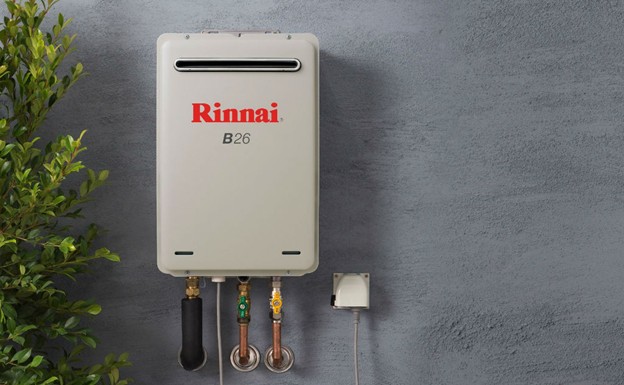
Gas continuous flow systems, often called instant or tankless systems, are an absolute beauty for outdoor mounting because they are compact, wall-mounted, and do not require a massive concrete footprint on the ground. These units only heat water on demand as it flows through a small heat exchanger, meaning you aren’t paying to keep 300 litres of water scalding hot all day while you are at work. More information on these units can be found at S&J Hot Water Brisbane.
These systems are designed to:
- Release exhaust gases safely into open outdoor air
- Avoid the need for indoor ventilation ducts
- Sit neatly on an exterior wall
- Heat water only when a tap is turned on
- Save ground space compared to a large storage tank
Gas continuous flow units cannot go just anywhere on the outside wall. They need safe clearance from windows, doors, alcoves, and electrical meters so exhaust gases stay outside. They also need access to gas lines and an outdoor power point for ignition and controls.
Electric Storage Tank Systems
Electric storage tanks are a familiar choice for many Brisbane homes because they are simple, sturdy, and usually cheaper to install upfront. They suit households that need a stored supply of hot water ready to use, especially when the home already has the right space and plumbing setup outside.
Outdoor electric storage systems are known for:
- Built to handle outdoor placement
- Stores hot water ready for daily use
- Easy setup for many Brisbane homes
- More budget-friendly upfront
- Simple design with fewer breakdown risks
Since the tank stores hot water all day, cooler outdoor air can make the system reheat more often. Shaded and windy spots can make this worse in colder months. To manage running costs, many Brisbane homeowners use off-peak tariffs which heat water during cheaper electricity periods.
Heat Pump Water Heating Units
Heat pumps work a bit like an air conditioner in reverse. Instead of creating heat directly, they pull warmth from the surrounding air and use it to heat the water in the tank. Brisbane’s warm and humid climate helps these systems run more efficiently throughout the year.
Heat pump units need:
- Open airflow around the fan
- Enough space away from walls and fences
- Smart placement away from bedroom windows
- Clear area for servicing
- Good drainage around the unit
If the unit sits in a tight corner, it can pull cold exhaust air back into itself and work harder. Noise also matters, as the fan and compressor produce a steady hum similar to an outdoor air conditioning unit. For neighbourly placement, avoid installing it right beside bedrooms, narrow side passages, and boundary fences.
Solar Hot Water Setups
Built for outdoor exposure, with collector panels mounted on the roof to capture heat from the sun. Depending on the roof and yard layout, the tank can sit on the roof with the panels or stay on the ground as part of a split setup.
Solar setups include:
- Roof-mounted collector panels
- Circulating pumps for split systems
- Temperature sensors and controllers
- Insulated pipework between the roof and tank
The roof components are made for outdoor conditions, but the ground-level parts still need protection. Pumps, controllers, and sensors should sit under a proper weatherproof cover to reduce moisture damage.
Choosing a Setup That Fits Your Home, Space, and Budget
So, what type of hot water system is best for outdoor use? The answer really depends on your home setup, energy source, available space, and how much hot water your household uses each day. Gas continuous flow units suit homes that want compact outdoor installation and endless hot water. Electric storage tanks are a more budget-friendly option upfront, while heat pumps and solar setups appeal to homeowners looking to lower long-term power costs.
Before making your choice, consider:
- Gas, LPG, solar, or electric connection already available
- Room for the unit, airflow, and servicing access
- Safe distance from windows, doors, and walkways
- Installation and equipment pricing
- Daily electricity or gas usage over time
- Number of people using hot water each day
Ask a licensed plumber to check the area before you buy a unit. The best outdoor setup should fit your hot water needs, handle Brisbane weather, and meet the right clearance and drainage requirements.


