
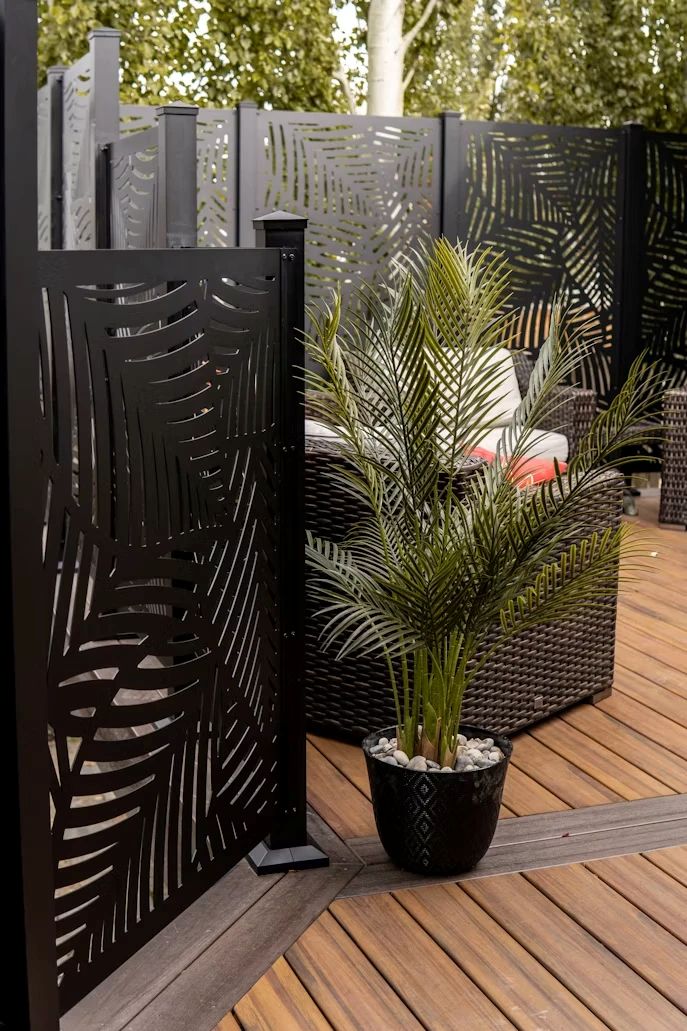
Decorative screens have quietly become one of the most popular additions to Australian backyards. Whether it is a privacy panel beside a deck, a feature wall behind an alfresco dining setting, or a screen that softens the line of a carport, these panels do a lot of work for a relatively small footprint. What many homeowners do not realise is that the reason these screens have gone from rare custom commissions to an everyday design choice comes down to one thing: CNC machining.
CNC machining, short for computer numerical control, is a manufacturing process where a computer guides cutting tools to shape material with extreme precision. Instead of a tradesperson marking and cutting each pattern by hand, a design file tells the machine exactly where to cut, every single time. For decorative screens, this has changed what is possible, what is affordable, and how quickly a project can come together.
From Luxury Item to Everyday Upgrade
A decade ago, an intricate patterned screen was something you saw in architect-designed homes and high-end commercial fit-outs. Producing those patterns by hand was slow and expensive, so the cost put them out of reach for most homeowners. The arrival of accessible CNC cutting, including laser cutting and routing, flipped that equation.
Because the machine works from a digital file, the hard part of the job, the cutting, is automated and repeatable. A pattern that once took hours of careful handwork can be produced in a fraction of the time. That efficiency brings the price down, which is why custom screens now turn up in ordinary suburban backyards rather than just in glossy design magazines. For anyone building a pergola, verandah or deck on a budget, it means a genuinely bespoke finishing touch is within reach.
It also means you are no longer limited to a handful of stock patterns. Australian manufacturers can cut almost any design, from clean geometric grids to native botanical motifs, simply by loading a new file. If you can draw it, it can usually be cut.
Precision That Suits Australian Outdoor Conditions
Outdoor screens have to put up with a lot in this country. Harsh UV, big temperature swings, driving rain and, in coastal areas, salt-laden air all take their toll. This is where the precision of CNC machining really earns its place.
When every panel is cut to exact measurements, the parts fit together cleanly and predictably. Fixing points line up, panels sit flush against posts and frames, and the finished screen looks deliberate rather than improvised. That accuracy also matters structurally. A screen exposed to wind needs to be properly sized and fixed, and consistent machining makes it far easier to build something that holds up over years rather than seasons.
Material choice plays a part too. Many decorative screens are cut from aluminium, which is light, rust resistant and well suited to the Australian climate. Others use steel for strength or weathering steel for that rich rusted-bronze look. Whichever material you choose, CNC cutting handles it with the same accuracy, and finishes such as powder coating can then be applied to protect the surface and lock in a colour that lasts.
A Wider Range of Finishes and Uses
Part of the appeal of CNC-cut screens is how flexibly they slot into an outdoor project. A few of the most common uses around the home include:
- Privacy panels between neighbouring properties or alongside a deck, giving you a quiet outdoor space without a solid, boxed-in wall.
- Sun and wind filtering for pergolas and alfresco areas, where a perforated pattern softens harsh afternoon light while still letting a breeze through.
- Feature walls that turn a plain fence or blank section of wall into a focal point, often paired with lighting for evening effect.
- Carport and gate infills that tie the look of the whole property together rather than leaving these areas as an afterthought.
Because the pattern, panel size and material are all flexible, screens can be matched to the style of your home, whether that is a heritage cottage, a modern build or something in between. The same process that produces a bold contemporary pattern can just as easily cut a subtle, traditional one.
Supporting Local Manufacturing
One underrated benefit of the shift to CNC machining is that it has helped local workshops compete. Fast, file-driven production means an Australian manufacturer can turn around a custom order quickly, often faster than waiting on an imported product, and without the long lead times that used to come with bespoke work.
Melbourne-based engineering firms such as Southside Engineering are a good example, using precision CNC machining alongside services like laser cutting and powder coating to produce custom components and panels for a huge range of applications. That local capability means the screen on your deck can be designed, cut and finished without ever leaving the country, which is good for turnaround, quality control and supporting Australian trade.
What To Think About Before You Buy
If a decorative screen is on your wish list for an upcoming project, a few practical points are worth keeping in mind. Consider the material first, balancing appearance against durability and maintenance for your location. Think about the pattern density, since a more open design lets through more light and air while a denser one offers greater privacy. And factor in how the screen will be fixed and framed, because even the best-cut panel needs solid support to perform over the long term.
It is also worth raising screens early when planning a pergola, verandah or deck, rather than treating them as an add-on at the end. Designing them in from the start usually produces a cleaner, more integrated result.
The Bottom Line
CNC machining has taken decorative screens from an expensive luxury to an affordable, highly customisable feature that suits the way Australians live outdoors. With precise cutting, durable materials and the flexibility to match almost any style, a custom screen is now one of the easiest ways to add privacy, shade and personality to an outdoor space. If you are planning your next project, it is well worth considering where a screen might fit.