
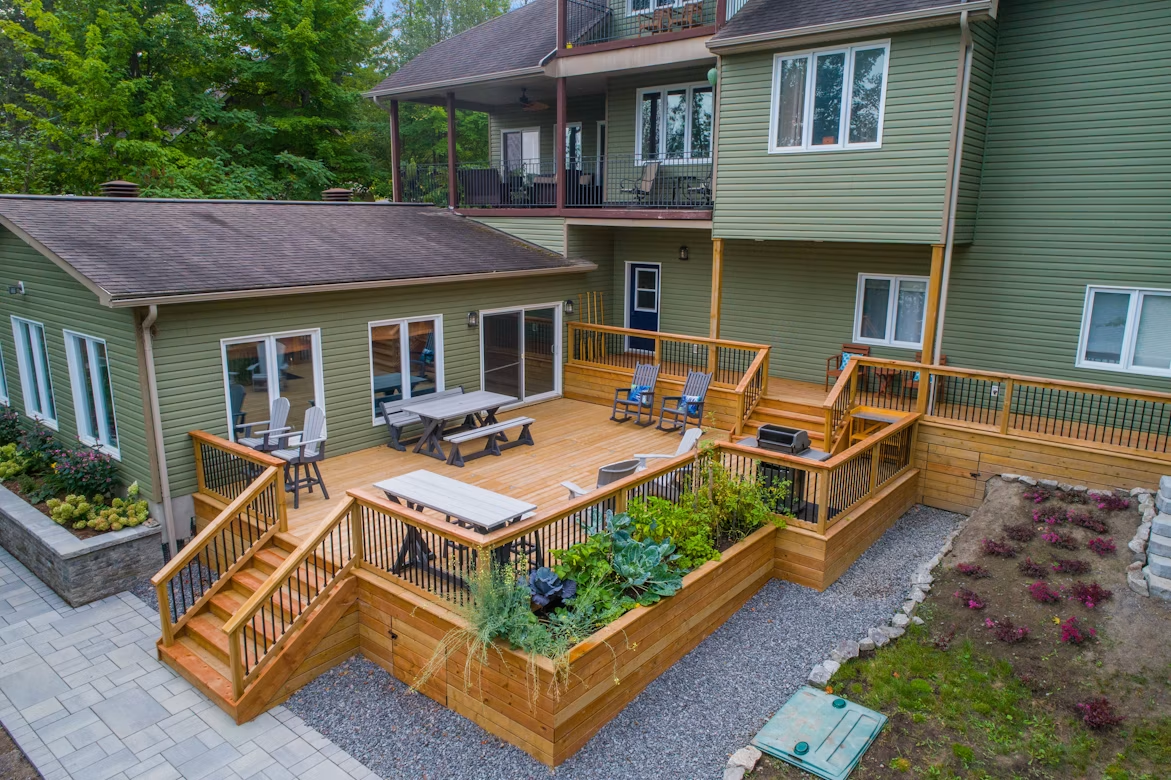
Building an outdoor entertainment area requires careful planning and the right materials. A beautiful deck can completely transform a backyard space into a functional retreat. Homeowners spend a lot of time selecting the perfect timber species for their boards.
Choosing the wrong fasteners can ruin the entire project quickly. Quality hardware components keep the wooden structure safe and secure for many years. Skimping on small items often leads to major structural issues down the road.
Selecting The Right Fasteners For Safety
Timber expands and contracts with changing weather patterns throughout the year. You need strong decking screws that hold tight against natural wood movement. This prevents thick boards from warping or lifting over the seasons.
Standard nails might seem like an easy alternative for your home project. They often pull loose after a few months of heavy foot traffic. Screws offer superior grip that keeps every piece of timber firmly attached.
Loose boards create serious tripping hazards for family members and weekend guests. Spending a bit more upfront saves money on replacement materials later. Structural safety remains the top priority for any residential construction job.
Long-Term Durability For Outdoor Structures
Harsh weather conditions put constant stress on outdoor wooden platforms. Heavy rain and hot sun can weaken connections if the fasteners lack protective coatings. High-quality options resist rust and maintain their structural strength.
A research paper published in a building journal states that dowel-type options like screws or nails provide very common and reliable connections. Choosing these trusted fasteners keeps the underlying framework solid. Strong joints prevent the entire frame from shifting out of alignment. Reliability remains a critical factor for long-term outdoor installations.
Substandard hardware might corrode within 2 or 3 years of exposure to the elements. Replacing rusted fasteners requires extra time and unnecessary effort. Investing in premium materials protects your initial financial outlay.
Structural Integrity And Load Distribution
Weight distribution matters when multiple people gather on an outdoor platform. Every single point of attachment bears part of the total load. Proper spacing combined with strong hardware prevents localized structural failures.
Certain features make specific fasteners ideal for heavy outdoor applications. Look for these design characteristics before purchasing your project supplies:
- Deep threads for excellent gripping power in timber
- Specialized head styles that sit flush with the surface
- Corrosion-resistant coatings for protection against moisture
Proper installation techniques combine with good hardware to create a perfect finish. Shoddy craftsmanship leads to squeaky steps and uneven walking surfaces. Taking time to measure carefully pays off in the end.
Maximizing Grip Strength In Timber
Fasteners must resist the upward pull of twisting wood grain. Dense hardwoods exert massive forces as they dry out in hot summer weather. The right thread design fights this resistance to keep boards completely flat.
An academic study on materials showed that the combined effect of withdrawal and bearing resistance in angled fasteners improves load distribution within a connection. This design property helps distribute weight evenly across the underlying joists. It reduces stress on individual joint points. Balanced distribution keeps the entire system stable under heavy loads.
Stronger connections mean fewer maintenance worries down the track – this simple choice saves hours of future labor. Professional builders rely on these engineering principles to construct commercial platforms. Homeowners can apply the same standards to small backyard projects.
Choosing Screws For Different Timber Types
Not all timber species respond the same way to fasteners. Softwoods generally place less stress on hardware, while dense hardwoods can create significant resistance during installation. Selecting screws designed for the specific timber type helps prevent splitting, improves holding power, and creates a more secure connection.
Many premium options feature specialized thread patterns that reduce installation effort while maintaining strong grip. Matching the fastener to the decking material supports both structural performance and long-term durability. This simple consideration can make a noticeable difference in the quality of the finished project.
Supporting Long-Term Deck Performance
The performance of a deck depends on the strength of every connection within the structure. Even the highest-quality timber can experience issues if the fastening system fails to provide adequate support. Reliable decking screws help maintain alignment, reduce movement, and keep boards securely attached despite changing environmental conditions. Consistent performance over time contributes to a safer and more enjoyable outdoor space.
By focusing on quality hardware during construction, homeowners can extend the lifespan of their deck and reduce the likelihood of maintenance problems in the years ahead.