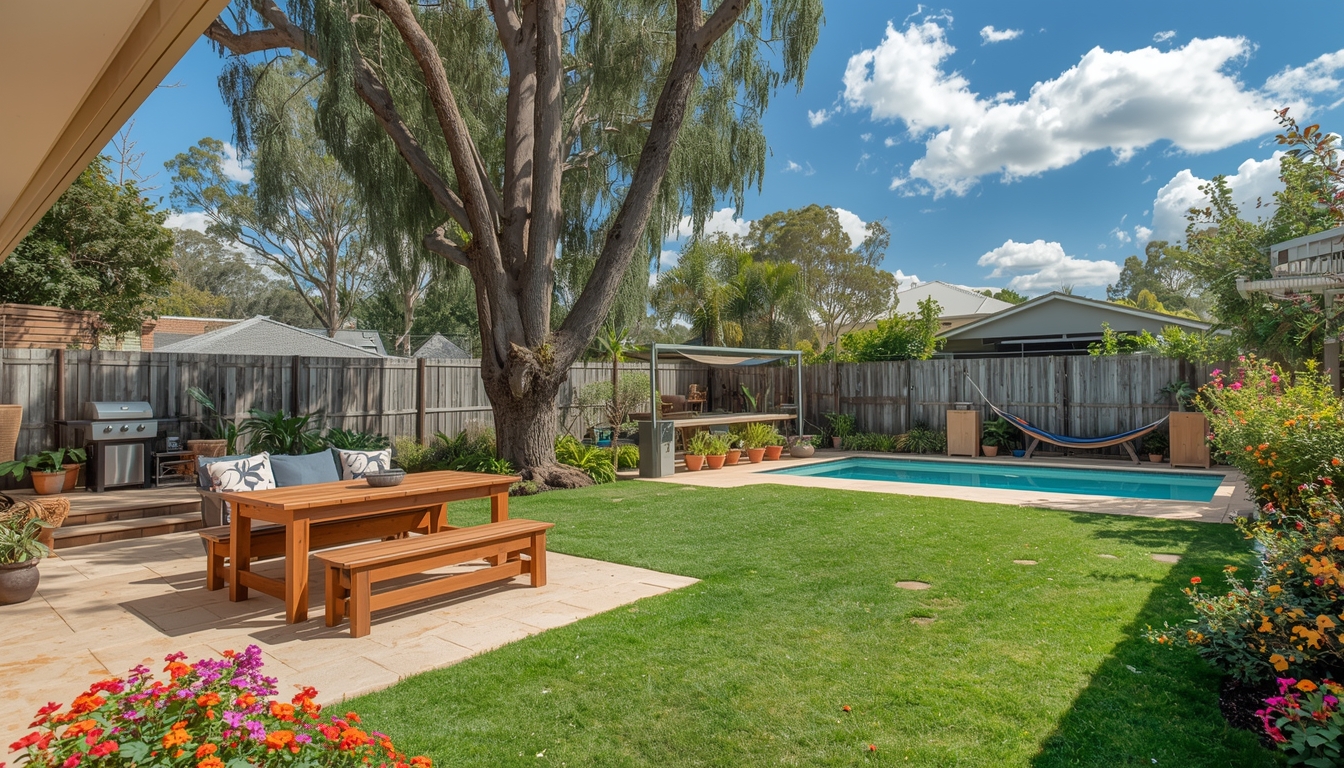
Making your backyard more usable is one of the best home upgrades you can do. It gives you extra space to live in, a place to relax, and somewhere decent to have people over.
In Adelaide, the weather is good enough that you should get proper use out of your outdoor area. To actually spend time out there all year, though, you need decent shade and real comfort. Here are some practical ideas to make your backyard a cool, comfortable spot no matter the season.
1. The Ultimate Shade Solution: A Custom Pergola
When people want lasting shade that actually looks decent, a pergola is usually what they go with. It does more than just block the sun, it gives your patio some structure and makes the whole space feel more put together.
Plus, it’s one of those upgrades that can add to your home’s value while giving you a solid centerpiece for your backyard.
If you want a structure that’s going to hold up and actually suit your place, you need people who know what they’re doing. When you’re ready to move forward, hiring experienced pergola builders in Adelaide means your new addition will look good and stand up to the local weather. They’ll walk you through different styles too—whether you want something classic, heritage-style, or more modern and sleek—so you end up with the right fit for your home.
2. Choose the Right Roof for Year-Round Comfort
Your roof choice determines the level of shade, light, and cover your pergola or patio provides. Every style suits different needs. Here are the main options you should know about.
Louvred Roofs
You have the most control over your outside area with adjustable louvred roofing. The blades may be fully closed for total shade and protection from light rain, or tilted open to bring in sunlight and fresh air. It just takes a few seconds to change the setting because many systems are motorized.
They are, therefore, an excellent option for anyone who wants the freedom to alter the ambiance at different times of day or season.
Solid Roofs
Solid roofs—think Classic, Manor, or Architectural styles—offer permanent, sturdy protection. They keep the sun off and rain out, making the space below usable in most weather. Because the roof is solid throughout, you’ve also got the option to install ceiling fans, lights, or heaters to stay comfortable when temperatures drop.
Slatted Roofs
Slatted roofs have a classic look. The gaps in the roof let some sunlight through, so you get shade that cuts the glare but doesn’t leave the space feeling dark. They also work well if you want to grow climbing plants overhead. Things like wisteria or vines can grow across the slats over time, giving you extra cover and some greenery.
3. Layer with Greenery for Natural Shade
Using plants strategically can improve comfort without relying solely on built structures. The idea is to work with nature rather than blocking it out completely.
Deciduous trees planted near outdoor areas work with the seasons. Full foliage in summer gives you shade and keeps things cooler. Bare branches in winter let sunlight hit the yard and your house. It’s a low-effort way to get cooling when it’s hot and passive warmth when it’s not.
Another option is climbing plants. Train them up a pergola or trellis, and you get a living roof over time. They look nice, and the moisture they release helps cool the air below. Makes sitting outside more bearable when it’s hot.
4. Install Shade Sails for Versatile Coverage
Shade sails are a cost-effective, modern choice. Made from UV-resistant fabric, they tension into geometric shapes to cover specific areas like play spaces or dining spots. Available in many colors, and you can install them permanently or temporarily.
5. Create Defined “Rooms” with Privacy Screens
Good shade is one thing, but if you feel like people can see you, you won’t use the space. Privacy screens solve that. Go with timber, metal panels, or plants. They block neighbours and stop the wind. Suddenly, the area actually feels like it belongs to the house. Plus, the light through them looks decent.
6. Integrate Cooling Water Features
Add a water feature if you want something that cools things a bit and calms the noise. A basic fountain, small pond, or even one stuck on the wall — any of them makes a trickling sound that’s relaxing.
The water evaporating pulls some heat out of the air around it, so the spot nearby feels cooler on hot days. Nothing complicated, just enough to notice when you’re sitting there sweating.
7. Don’t Forget the Finishing Touches
The framework is done. Now it’s all about adding texture, comfort, and personality.
- Curtains for Drama & Function: Outdoor curtains aren’t just pretty—they’re practical. Hang them up to block glare, create privacy, or just make the space feel less exposed and more like an actual room.
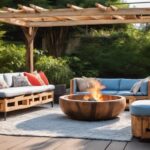
- Make Seating an Event: Go big on comfort. Think cushy sofas, deep chairs, and lots of soft surfaces. Scatter pillows in different textures and keep a throw handy for when the evening cools down.
- Keep It Cool and Glowing: Ceiling fans are non-negotiable if you’re working with a covered space—they keep the air fresh and comfortable. When the sun goes down, let string lights or lanterns take over. And if summer heat gets intense, a misting system will save the day.
Conclusion
That means starting with the structure itself. Not the furniture, not the plants—the bones of the space. Get that right and everything else falls into place.
Some people want a big entertainer’s pavilion. Room for a table, chairs, maybe an outdoor kitchen. Others just want a quiet corner. Somewhere to sit alone with coffee and not get fried by the sun. Either way, use good materials and people who know what they’re doing.
Local experts matter because they deal with council approvals all the time. They know what passes inspection and what doesn’t. They know what holds up in this climate. Pay them once, do it properly, and you won’t think about it again except when you’re sitting under it.