
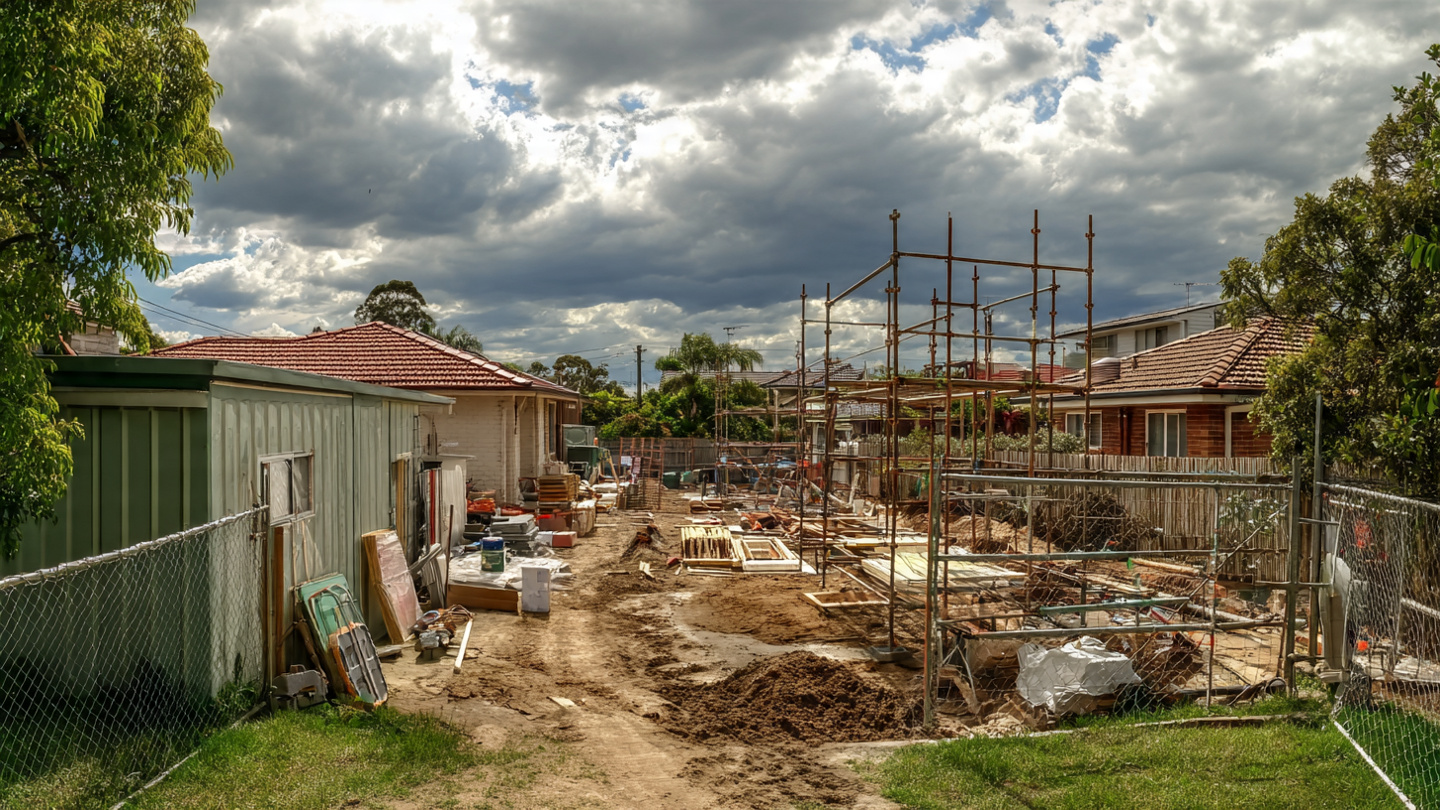
Running a construction site can feel like constant triage, where small misses turn into expensive setbacks. Timelines, deliveries, and client changes crowd out cleanup fast.
That is a profit leak. A clean site is not about looks, it is operational control that protects schedule, safety, and closeout quality.
When housekeeping becomes a planned task, crews walk cleaner routes, materials stay visible, and problems surface sooner. Chaos hides waste and multiplies rework.
Treat cleanup like a real line item. Your margins will notice.
Cut Trips And Costly Injuries
Many builders treat safety rules as paperwork, but poor housekeeping creates predictable hazards. Cluttered walkways, loose cords, and scrap piles turn routine movement into risk.
Even minor injuries can derail production. One missed step can halt a crew, trigger reporting, and invite tighter oversight from safety staff and regulators.
The “Fatal Four” Reality
Federal fatality data for construction shows falls, slips, and trips remain the leading cause of death. In 2023, they represented about 39% of construction fatalities.
Housekeeping does not replace fall protection, but it supports it. Clear access reduces ladder instability, keeps landing zones open, and lowers the chance that a fall starts with a trip.
The Hidden Insurance Tax
Injuries do not stop costing money when the first-aid kit closes. Workers’ compensation pricing commonly reflects your loss history, so a preventable claim can echo through future premiums.
A consistently orderly site also documents intent. It shows you manage hazards proactively, which can help when insurers, auditors, or investigators review how you control risk.
Stop Paying For Extra Waste
Material loss is not just an environmental concern, it is a budget problem. When debris is mixed and unmanaged, you pay disposal fees and still repurchase what was misplaced.
Construction and demolition debris is generated at a massive scale nationwide, so haulers and landfills price accordingly. A simple plan, enforced daily, protects profit.
- Material staging: Store pallets, sheets, and trim off the ground, labeled by trade and room, so usable off-cuts do not disappear under trash.
- Disposal efficiency: Separate metal, cardboard, and clean wood where local programs exist, because requirements vary by jurisdiction and facility.
- The “Re-Buy” Cycle: We have all seen it happen—a box of fasteners or a specialized fitting gets dropped in the mud or swept up with debris. You end up paying for the item twice: once to buy it, and again to pay a service like SameDay Rubbish Removal Melbourne to haul it away.
- Hazardous segregation: Keep paints, solvents, batteries, and aerosols in marked containers, because mixing can violate landfill rules and trigger local penalties.
You cannot control lumber pricing, but you can control what hits the dumpster. Cleanup discipline is a purchasing strategy, not a chore.
Get More Done Per Day
Time is your most fragile resource. A cluttered workspace forces extra steps, extra handling, and extra decisions, which quietly erodes productivity across every trade.
Clean sites reduce friction. They create predictable paths for people, carts, lifts, and deliveries, so crews spend more time installing and less time navigating.
The Direct-Work Reality
Time-study research in construction repeatedly shows a hard truth: direct installation work is often only about 40% to 60% of a shift. The rest is support time.
Housekeeping targets that support time. When staging is clear and aisles stay open, crews waste fewer minutes moving obstacles, relocating stock, and resetting work areas.
Reduce the “Hunting” Tax
Lost tools and buried materials are a labor multiplier. Skilled tradespeople should not burn paid hours searching for a missing box that was covered by yesterday’s trash.
Assign homes for high-value tools, label bins, and keep a simple check-in routine. Visibility is the cheapest inventory control you will ever implement.
Pass Inspections Without Panic
Inspections are technical, but they are still performed by people. A dirty jobsite increases tension, slows movement, and can make the walkthrough longer than it needs to be.
Clean access also protects your schedule. When the site is ready, the inspector can verify faster, and you are less likely to lose days waiting for a return visit.
The Psychology of Inspectors
First impressions shape how an inspection feels, even when code requirements are objective. A site that is organized signals competence and reduces distractions during verification.
That does not buy a pass on violations. It does reduce the odds that avoidable site chaos becomes the story instead of the work you want reviewed.
Preventing “Unable to Verify” Failures
Some of the most frustrating setbacks happen when work cannot be accessed. If debris blocks a panel, a cleanout, or a foundation edge, the inspector may defer approval.
Keep critical areas open with a daily “inspection path” checklist. Requirements vary by jurisdiction, so align your access plan to your local inspector’s expectations.
Win Trust Before They Buy
Most clients cannot judge framing alignment or wire routing at a glance. They judge what is visible, and jobsite cleanliness becomes a proxy for how you manage details.
That perception affects change-order conversations and referrals. A tidy site reduces anxiety, because it signals that nothing is being rushed, buried, or ignored.
- The “Showroom” Effect: A broom-swept site feels like a future home, while a garbage-strewn site feels like a problem waiting to surface.
- Reduced punch-list stress: Clean spaces make it easier to spot defects early, which lowers last-week surprises and shortens final walkthrough tension.
- Neighborhood marketing: Neighbors watch how you operate, and clean sites are more likely to attract the next phone call than noisy disorder.
- The quality proxy: Cleanliness does not guarantee craftsmanship, but it strongly influences what clients believe about your build quality.
Clean sites sell confidence. Confidence protects your reputation and makes the entire closeout process smoother for everyone involved.
Keep Dust Out Of Ducts
Construction dust is not harmless fluff. Fine particles can migrate into equipment and finishes, creating comfort complaints that look like workmanship issues long after move-in.
Plan dust control early. Once drywall dust and sawdust spread through the structure, cleanup gets slower, more expensive, and easier to miss during the rush to finish.
The Warranty Voiding Nightmare
Warranty terms vary by manufacturer, but many require correct installation and reasonable maintenance. Operating HVAC equipment in a dusty environment can contribute to failures and disputes.
Protect returns, seal open duct runs, and avoid using the permanent system as a construction exhaust fan. If you must run it, follow the manufacturer’s instructions in writing.
Long-term Efficiency Drag
Research on coil fouling shows efficiency and capacity losses are often modest, but they can become severe under poor filtration or heavy dust loading. Prevention is still cheaper.
DOE consumer guidance notes that severely neglected heating and cooling equipment can use noticeably more energy than well-maintained systems.
Keep Subs Fast And Happy
Subcontractors schedule crews where work starts smoothly. When your site is clean, stocked, and safe, you reduce their risk and make it easier for them to hit production targets.
That preference matters in busy seasons. Clean sites tend to get better communication, fewer reschedules, and more willingness to solve problems before they become change orders.
- The “Good Builder” discount: Subs price risk, so chaotic sites often get padded bids to cover delays, damage, and extra labor.
- Faster trade handoffs: When the next crew does not need to clear space first, the schedule compresses and coordination meetings get shorter.
- Morale and pride: Crews protect finished work better in clean rooms, because damage is more visible and respect for the space feels mutual.
- Retention of talent: High-quality subs avoid unsafe sites, and consistent housekeeping helps you stay on their preferred-builder list.
Cleanliness is a subcontractor management tool. It reduces friction between trades and lowers the hidden cost of “starting late” every single day.
Track Materials And Reduce Theft
Theft is rarely random. Disorganized sites advertise weak controls, and high-value items are easier to take when no one can quickly tell what is missing.
Security matters, but basic order is part of security. A clean yard makes cameras more useful, locks more obvious, and inventory checks faster at the end of a shift.
The “Broken Windows” Theory of Theft
Visible disorder signals low supervision. When materials and tools are scattered among trash piles, it suggests that no one is counting, which can attract opportunistic thieves.
Clean sites communicate boundaries. They make it clear the builder is watching the work, the inventory, and the condition of the property.
Inventory Visibility
Industry sources estimate heavy equipment theft losses range from hundreds of millions to around a billion dollars annually. You cannot secure what you cannot quickly verify.
Neat stacking and daily debris removal create fast audits. When a pallet, generator, or compressor is missing, you spot it sooner and respond before the trail goes cold.
Conclusion
A clean construction site is a management choice that pays back daily. It reduces trip hazards, shortens wasted motion, and keeps materials visible so fewer dollars vanish into dumpsters.
It also protects relationships. Inspectors move faster, clients feel calmer, and top subs are more willing to prioritize your projects.
Clean up on purpose, not by accident. You either pay for housekeeping upfront, or you pay for the mess later.
Sources and Verifications
- Census of Fatal Occupational Injuries News Release – 2023 A01 Results, December 19, 2024, https://www.bls.gov/news.release/archives/cfoi_12192024.htm
- Fatal falls in the construction industry in 2023 (The Economics Daily), May 9, 2025, https://www.bls.gov/opub/ted/2025/fatal-falls-in-the-construction-industry-in-2023.htm
- Focus Four Injuries [dashboard], 2025, https://www.cpwr.com/research/data-center/the-construction-chart-book/interactive-7th/injuries-illnesses-health/focus-four/
- Young Worker Slips, Trips, and Falls, April 22, 2024, https://www.cdc.gov/niosh/young-workers/slips-trips-falls/index.html
- Construction and Demolition Debris: Material-Specific Data, October 23, 2025, https://www.epa.gov/facts-and-figures-about-materials-waste-and-recycling/construction-and-demolition-debris-material
- Sustainable Management of Construction and Demolition Materials, n.d., https://www.epa.gov/smm/sustainable-management-construction-and-demolition-materials
- Operating and Maintaining Your Heat Pump, n.d., https://www.energy.gov/energysaver/operating-and-maintaining-your-heat-pump
- Dirty air conditioners: Energy implications of coil fouling, 2002, https://www.osti.gov/biblio/805122
- Theft Prevention & Recovery Solutions (National Equipment Register), n.d., https://www.ner.net/solutions/
- 1926 Subpart M – Fall Protection (OSHA), n.d., https://www.osha.gov/laws-regs/regulations/standardnumber/1926/1926subpartm
- U.S. Construction Labor Productivity Trends, 1970-1998, n.d., https://www.elcosh.org/document/1558/d000131/US%2BConstruction%2BLabor%2BProductivity%2BTrends%2C%2B1970-1998.html